Wondering what Unit 5 is really about? It's the bridge between how our bodies work and how we feel and behave. Unit 5 covers everything from how stress affects your physical health to the major psychological disorders you need to know, and all the ways psychologists treat them.
This unit makes up about 15-25% of the AP Psychology exam, so it's definitely worth your time. The good news? The concepts here are practical. You'll recognize a lot of them from your own life or from people you know.
Let's break down each topic so you can tackle the exam with confidence.
🎯 What You Need to Know for the Exam
Unit 5 makes up about 15-25% of the AP Psychology exam. Focus your energy on these priorities:
The biopsychosocial model explains how biological, psychological, and social factors interact to affect health and illness.
Stress activates physiological responses (General Adaptation Syndrome) that impact your immune system and long-term health.
Psychological disorders are classified using the DSM-5 with specific diagnostic criteria requiring distress and dysfunction.
Different therapy types (psychodynamic, humanistic, cognitive, behavioral, and CBT) work differently for different disorders.
Biomedical treatments like medication and ECT are evidence-based but have limitations and potential side effects.
Treatment effectiveness requires considering the person, the disorder, and the approach—there's rarely one "best" answer.
What this covers: Health psychology looks at how our thoughts, stress, and behaviors affect our physical and mental health. This is where the mind-body connection becomes real on the exam.
The core idea is simple but powerful: your lifestyle choices and how you handle stress directly impact your health. This topic is all about understanding that connection and the mechanisms behind it.
Key concepts to know:
General Adaptation Syndrome (GAS) - Hans Selye's three-stage stress response model. You've got the alarm stage (acute stress response), resistance stage (your body adapts while staying stressed), and exhaustion stage (resources deplete). This is testable, so memorize the stages.
The biopsychosocial perspective - Stress affects your body (biological), your thinking (psychological), and your environment (social) all at once. Most test questions about health will reference this model.
Type A vs. Type B personalities - Type A people are competitive, impatient, and driven. Type B are more relaxed and easygoing. Type A behavior has been linked to higher stress and heart disease risk. Know this distinction because it shows up in exam questions.
Coping mechanisms - Problem-focused coping (actually dealing with the stressor) vs. emotion-focused coping (managing your feelings about it). Both are valid, but the exam rewards you for knowing when each works best.
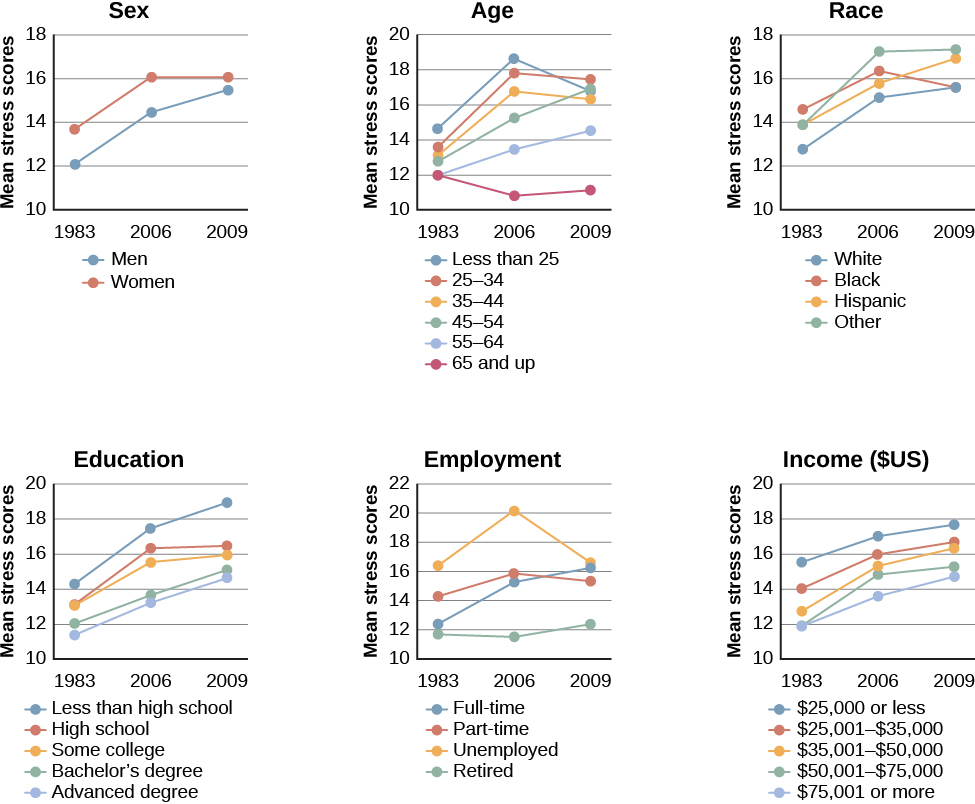
Stress and the immune system - Chronic stress suppresses immune function. Your body can't fight off illness as well when you're stressed. This is why stressed students get sick during exam season.
Behavioral factors in health - Exercise, sleep, diet, and substance use all influence your physical and mental health. These are lifestyle factors the exam loves to test.
⚠ Watch out for:
Students sometimes think stress is always bad. Not true. The exam asks about eustress (positive stress that motivates you) vs. distress (harmful stress). A little stress keeps you focused. It's chronic stress that damages health.
🧪 Practice with StarSpark
🃏 Flashcards · 20 cards
Topic
AP Psych: Health Psychology and Stress
Focus on
General Adaptation Syndrome, Type A vs. Type B personalities, coping mechanisms, stress and immunity, behavioral factors
📝 Quiz · 15 questions
Topic
AP Psych: Health Psychology and Stress
Description
Three stages of GAS, eustress vs. distress, how stress affects health outcomes, biopsychosocial connections
Try these in StarSpark → Flashcards or New Assignment
Topic 5.2: Positive Psychology
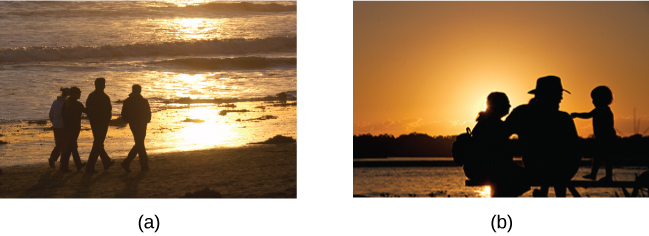
What this covers: Positive psychology flips the script. Instead of only studying what goes wrong with people, psychologists also study what goes right. This topic is about flourishing, resilience, and well-being.
If Unit 5 were only about disorders and treatment, this section would be depressing. Positive psychology reminds us that mental health is more than the absence of illness. It's about thriving.
Key concepts to know:
Resilience — The ability to bounce back from adversity. Some people are naturally resilient because of protective factors like supportive relationships, problem-solving skills, and self-efficacy. The exam tests whether you know that resilience can be developed, not just inherited.
Flow - Mihaly Csikszentmihalyi's concept of being completely absorbed in an activity. Flow happens when challenge and skill are balanced. You lose track of time. Know that flow is linked to happiness and life satisfaction.
Protective factors - These are the things that help people stay mentally healthy even when facing stress. Social support, coping skills, optimism, and self-esteem are all protective factors. Contrast these with risk factors.
Character strengths and virtues - Positive psychology identifies strengths in people, not just weaknesses. The exam might ask you how focusing on strengths (instead of deficits) changes how therapists approach treatment.
Well-being and life satisfaction - These are measurable outcomes of mental health. Subjective well-being includes both emotional life (happiness, positive emotions) and evaluative life (satisfaction with achievements).
Mindfulness and acceptance - Being present and accepting your thoughts without judgment. These concepts are increasingly important in modern psychological practice and are tested.
⚠ Watch out for:
Don't confuse positive psychology with toxic positivity. The exam is testing real concepts. Positive psychology acknowledges challenges and hardship. It's not about pretending problems don't exist.
🧪 Practice with StarSpark
🃏 Flashcards · 20 cards
Topic
AP Psych: Positive Psychology and Well-Being
Focus on
Resilience, flow, protective factors, character strengths, mindfulness, subjective well-being
📝 Quiz · 15 questions
Topic
AP Psych: Positive Psychology and Well-Being
Description
Csikszentmihalyi's flow concept, how protective factors build resilience, applying positive psychology to mental health
Try these in StarSpark → Flashcards or New Assignment
Image: OpenStax Psychology 2e (CC BY 4.0)
Topic 5.3: Explaining and Classifying Psychological Disorders
What this covers: Before the exam talks about specific disorders, you need to understand how we define and categorize mental illness. This topic covers the biopsychosocial model, the DSM, and why stigma matters.
Classification might sound boring, but it's the foundation for everything else in Unit 5. You can't treat a disorder if you don't understand how to identify and classify it.
Key concepts to know:
The biopsychosocial model - Disorders come from biological factors (genetics, brain chemistry), psychological factors (thoughts, emotions, past experiences), and social factors (relationships, culture, life stressors). No disorder is only one cause. The exam tests your ability to apply this model to specific cases.
DSM-5 (Diagnostic and Statistical Manual) - This is the official classification system in the US. Know that it uses specific diagnostic criteria, and that diagnoses require dysfunction and distress. A behavior is only a disorder if it causes problems for the person or others around them.
The role of diagnostic labels - Labels help us identify and treat disorders, but they can also lead to stigma. The exam might ask you about both the benefits and harms of labeling someone with a psychological disorder.
Stigma and mental illness - People with mental illness face discrimination and stereotypes. The exam tests whether you understand that stigma prevents people from seeking help and can worsen symptoms.
Differences between normal and abnormal - This is trickier than it sounds. Abnormal behavior is usually defined as statistically rare, causes distress or dysfunction, and violates cultural norms. But context matters.
Validity of diagnosis - Some disorders are easier to diagnose reliably than others. The exam might ask about comorbidity (when someone has multiple disorders at once) and how it complicates diagnosis.
⚠ Watch out for:
The DSM keeps changing. The exam is based on current understanding, which generally means DSM-5 criteria. Don't memorize outdated diagnostic criteria. Also, know that culture affects what gets labeled as a disorder. Behaviors normal in one culture might be seen as disordered in another.
🧪 Practice with StarSpark
🃏 Flashcards · 25 cards
Topic
AP Psych: Diagnosis, Classification, and the DSM-5
Focus on
Biopsychosocial model, DSM-5 criteria, diagnostic labels, stigma, abnormal vs. normal behavior, comorbidity
📝 Quiz · 15 questions
Topic
AP Psych: Diagnosis, Classification, and the DSM-5
Description
How biopsychosocial factors contribute to disorders, applying DSM diagnostic criteria to case studies, understanding mental health stigma
Try these in StarSpark → Flashcards or New Assignment
Topic 5.4: Categories of Psychological Disorders
What this covers: This is the heart of Unit 5. You need to know the major categories of disorders, their symptoms, and how they fit the biopsychosocial model. This section is heavy on detail but very testable.
Most of your multiple-choice questions will come from this section. You need to recognize disorders from case studies and understand the symptoms that define each one.
Key concepts to know:
Anxiety Disorders:
Generalized Anxiety Disorder (GAD) - Persistent, excessive worry about everything. It lasts at least 6 months and causes real functional impairment.
Specific phobias - Intense fear of a specific object or situation. The fear is disproportionate to the actual danger. Common examples: heights, spiders, flying.
Social anxiety disorder - Intense fear of social situations where you might be judged. It goes way beyond normal shyness.
Panic disorder - Sudden, intense panic attacks followed by fear of having another one. Agoraphobia often develops as a result.
Agoraphobia - Fear and avoidance of situations where escape feels difficult. Often develops after panic attacks.
Depressive Disorders:
Major Depressive Disorder (MDD) - At least 5 symptoms (like persistent sadness, loss of interest, sleep changes, fatigue, guilt) for at least 2 weeks. It's not just feeling sad. It's a diagnosable disorder.
Persistent Depressive Disorder (Dysthymia) - Milder depression that lasts for years. It's chronic but the person still functions.
Bipolar Disorders - Mood cycles between extreme highs (manic or hypomanic episodes) and lows (depressive episodes). Know that bipolar is not just mood swings. The episodes last for specific time periods and are accompanied by other symptoms.
Image: OpenStax Psychology 2e (CC BY 4.0)
Schizophrenia Spectrum:
Psychotic symptoms - These include delusions (false beliefs), hallucinations (perceiving things that aren't there), disorganized speech, and disorganized or catatonic behavior.
Schizophrenia - This is a severe disorder characterized by psychotic symptoms, negative symptoms (like flat affect or lack of motivation), and significant dysfunction. It's not split personality. That's a common misconception the exam will test you on.
Other schizophrenia spectrum disorders - Know that there's a spectrum, and other conditions like brief psychotic disorder exist.
Other Major Categories:
Dissociative disorders - Interruptions in memory, identity, or consciousness. Dissociative Identity Disorder (DID, formerly Multiple Personality Disorder) is the most severe. Know that dissociation is often a response to trauma.
Obsessive-Compulsive Disorder (OCD) - Obsessions (intrusive thoughts or urges) and compulsions (repetitive behaviors to reduce anxiety). It's not just being organized or neat. It causes significant distress.
Post-Traumatic Stress Disorder (PTSD) - Develops after trauma exposure. Includes re-experiencing (flashbacks, nightmares), avoidance, negative mood changes, and hyperarousal. Know that not everyone exposed to trauma develops PTSD.
Somatic Symptom Disorders - Physical symptoms without clear medical cause, or excessive worry about physical symptoms. Includes illness anxiety disorder.
Personality Disorders - Long-standing patterns of thought and behavior that deviate from cultural expectations. Know the specific criteria for antisocial, borderline, and narcissistic personality disorders.
Antisocial Personality Disorder - Lack of empathy, manipulative behavior, disregard for others' rights, often deceitful.
Borderline Personality Disorder - Unstable relationships, fear of abandonment, emotional instability, impulsive behaviors.
Narcissistic Personality Disorder - Excessive need for admiration, lack of empathy, sense of entitlement.
Eating Disorders - Severe disturbances in eating behavior and related thoughts. Know anorexia nervosa (restrictive eating, extreme weight loss), bulimia nervosa (binge eating followed by compensatory behaviors), and binge eating disorder (eating without compensation).
Substance Use Disorders - Maladaptive pattern of substance use leading to significant impairment. Know that dependence and addiction are clinical terms, and that withdrawal symptoms can occur.
Neurodevelopmental Disorders - These start in childhood. ADHD (inattention, hyperactivity, impulsivity) and autism spectrum disorder (social communication differences, repetitive behaviors) are the major ones you need to know.
Personality Disorders
Antisocial Personality Disorder - Lack of empathy, manipulative behavior, disregard for others' rights, often deceitful.
Borderline Personality Disorder - Unstable relationships, fear of abandonment, emotional instability, impulsive behaviors.
Narcissistic Personality Disorder - Excessive need for admiration, lack of empathy, sense of entitlement.
⚠ Watch out for:
The exam loves scenario questions. You'll read a case study and need to identify which disorder it describes. Practice recognizing the difference between similar disorders. For example, know how panic disorder differs from GAD, or how dysthymia differs from MDD. Also, watch for questions that test whether you know that disorders exist on a spectrum and that people often have multiple diagnoses at once.
Identifying disorders from case studies, distinguishing between similar disorders, recognizing comorbidity and spectrum presentations
Try these in StarSpark → Flashcards or New Assignment
Topic 5.5: Treatment of Psychological Disorders
What this covers: Once you can identify disorders, you need to know how to treat them. This topic covers psychotherapies, biomedical treatments, and how to evaluate whether treatment works.
This is the most practical section of Unit 5. You'll learn that there's no one-size-fits-all approach. Different treatments work for different people and different disorders.
Key concepts to know:
Psychotherapies:
Psychodynamic therapy - Based on Freud's ideas. It focuses on unconscious conflicts and past experiences. The therapist helps the client gain insight into their own behavior. It's long-term and intensive.
Humanistic/client-centered therapy (Carl Rogers) - The therapist provides unconditional positive regard and creates a safe space. The client leads the direction of therapy. It's about personal growth and self-acceptance.
Cognitive therapy - Focuses on changing distorted thinking patterns. The therapist helps the client identify and challenge irrational thoughts.
Behavioral therapy - Focuses on changing maladaptive behaviors. Major techniques include:
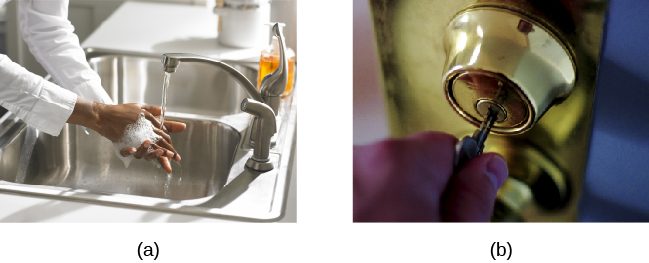
Systematic desensitization - Gradually exposing someone to their fear while in a relaxed state. Works well for phobias.
Exposure therapy - Direct exposure to feared stimuli or situations. Different from desensitization because you don't pair it with relaxation.
Aversion therapy - Pairing an unwanted behavior with something unpleasant so the person stops doing it.
Token economy - Rewarding desired behaviors with tokens that can be exchanged for privileges. Often used in institutions.
Cognitive-Behavioral Therapy (CBT) - Combines cognitive and behavioral approaches. It's one of the most researched and effective therapies. It's structured, time-limited, and focused on specific problems.
Group and family therapy - Treats people together. Therapy might focus on family dynamics, communication, or providing support among people with similar struggles.
Behavioral therapy
Systematic desensitization - Gradually exposing someone to their fear while in a relaxed state. Works well for phobias.
Exposure therapy - Direct exposure to feared stimuli or situations. Different from desensitization because you don't pair it with relaxation.
Aversion therapy - Pairing an unwanted behavior with something unpleasant so the person stops doing it.
Token economy - Rewarding desired behaviors with tokens that can be exchanged for privileges. Often used in institutions.
Image: OpenStax Psychology 2e (CC BY 4.0)
Biomedical Treatments:
Antidepressants - Primarily SSRIs (selective serotonin reuptake inhibitors) like Prozac or Zoloft. They increase serotonin availability in the brain. Know that they take weeks to work and don't work for everyone.
Antipsychotics - Used for schizophrenia and other psychotic disorders. They reduce dopamine activity. Know the difference between typical (first-generation) and atypical (second-generation) antipsychotics.
Anxiolytics - Anti-anxiety medications, often benzodiazepines. They work quickly but have addiction potential, so they're usually short-term.
Mood stabilizers - Like lithium for bipolar disorder. They help prevent extreme mood swings.
Electroconvulsive Therapy (ECT) - Used for severe depression, especially when medication doesn't work. It induces controlled seizures under anesthesia. Despite its bad reputation, it's effective and relatively safe.
Transcranial Magnetic Stimulation (TMS) - Uses magnetic pulses to stimulate brain areas. It's a newer treatment with promising results for depression.
Psychosurgery - Brain surgery to treat psychological disorders. Rarely used today due to ethical concerns and less invasive alternatives.
⚠ Watch out for:
Know the difference between correlation and causation when evaluating treatment effectiveness. Just because someone gets better after starting medication doesn't prove the medication caused the improvement. Placebo effects are real. Also, know that the most effective approach for many disorders is a combination of therapy and medication.
Matching therapies to disorders, understanding medication mechanisms, evaluating treatment effectiveness and combinations
Try these in StarSpark → Flashcards or New Assignment
How StarSpark Can Help You Master Unit 5
This unit has a lot of moving parts. Keeping track of disorders, their symptoms, treatments, and the theories behind them is challenging.
Try these study strategies:
Try a StarSpark flashcard session to drill the differences between anxiety disorders or the major symptoms of different mood disorders. Spaced repetition really works for memorizing the diagnostic criteria.
Study Tips for Unit 5
Sample quiz prompts you might practice:
"A client reports persistent worry about multiple life areas, sleep difficulties, and muscle tension lasting 8 months. No trauma history. What disorder best fits this presentation?"
"Compare and contrast systematic desensitization and exposure therapy. How would treatment differ for a client with a specific phobia?"
"Explain how the biopsychosocial model would account for depression in a 16-year-old whose parent was recently diagnosed with bipolar disorder."
These prompts force you to apply the concepts, which is what the exam tests. You can build a personalized quiz right in the StarSpark app using this exact language.
Explore the Full AP Psychology Study Guide
Unit 5 is dense, but you've got this. Health psychology, positive psychology, disorders, and treatments are all topics that connect to the real world. That makes them memorable.
Unit 5 covers a lot of ground—from stress and positive psychology to diagnostic criteria and multiple treatment approaches. As you review, focus on what will actually appear on the exam: your ability to recognize disorders, understand how treatments work, and apply the biopsychosocial model to real-world scenarios.
Review Questions: Test Yourself
A student reports persistent worry about grades, friendships, and family for the past 8 months. They have trouble sleeping and feel restless. No specific trauma triggered this. Which disorder best fits, and how would you distinguish it from panic disorder?
A therapist gradually exposes a client to spiders while teaching relaxation techniques. What is this therapy called, and which learning principle does it use?
A patient starts taking an SSRI but doesn't feel better for 3 weeks. They want to stop. Using your knowledge of how SSRIs work, explain why the delay happens and what you'd tell this patient.
Using the biopsychosocial model, explain how depression might develop in a 16-year-old whose parent has bipolar disorder and who recently moved to a new school.
A client in therapy says, "I failed one test, so I'm a complete failure at everything." Which type of therapy would target this thinking pattern, and what technique would the therapist use?
Want more practice? Paste these questions into StarSpark to generate a full quiz with explanations or customized flashcards.
You're ready for Unit 5. Trust your preparation.
This review is aligned with the AP Psychology Course and Exam Description. AP is a registered trademark of the College Board, which was not involved in the production of this guide.